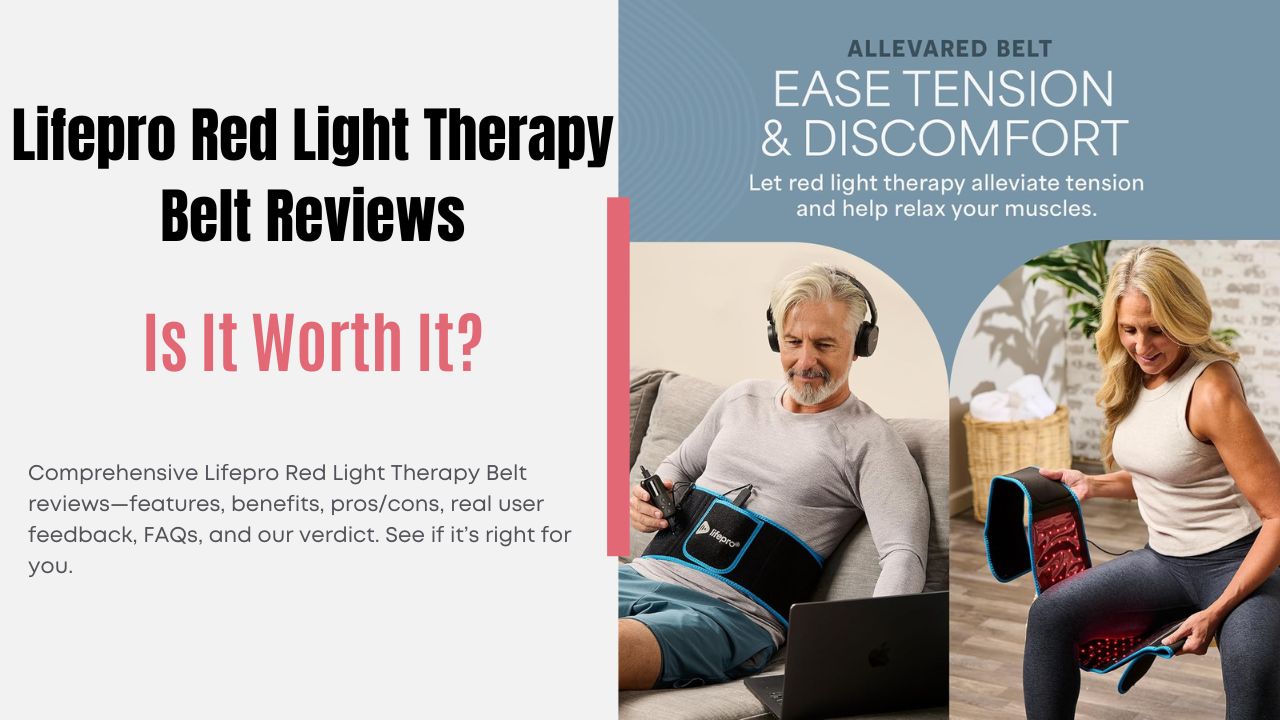
If you’re curious whether a portable red + near-infrared device can actually ease tight backs and sore shoulders, you’re not alone. In this guide to Lifepro Red Light Therapy Belt reviews, I break down what the 660nm/850nm wavelengths do, how the hands-free wrap feels in real life, and who’s most likely to benefit. I’ll keep jargon light and focus on practical takeaways—session length, comfort, and real-world results—so you can decide with confidence. We’ll also compare what matters (power, portability, warranty) to what doesn’t (marketing fluff), and I’ll flag simple tips to get faster relief safely. Whether you’re new to light therapy or shopping for the Best Red Light Therapy Belt for everyday recovery, consider this your friendly, informed starting point!
Product Overview — Specs, What’s in the Box, and How It Works
Contents
When folks ask me about Lifepro Red Light Therapy Belt reviews, I always start with the basics because specs tell you how a device behaves in the real world. This belt uses 105 LEDs split between 660 nm red for surface work (think skin support and collagen) and 850 nm near-infrared (NIR) for deeper tissues like sore backs and stiff shoulders. It’s a flexible wrap—about 49.6″ × 6.9″—that sits hands-free, but yep, it must stay plugged in, which is fine at a desk or couch but not amazing for power-walking around the house.
Now, the modes. You’ve got RED, NIR, and a combined mode, plus adjustable intensity and an auto timer from 5 to 30 minutes via the remote. The “some bulbs look off” thing is normal; NIR isn’t visible to the eye, so it can feel like half the array is off even when it’s working. First time that happened to a reader, panic was had—then relief when they learned it’s just how NIR behaves.
Power and portability surprised me more than I expected. You can plug into a wall outlet, USB (5V–1A), or even a compatible external battery, and at roughly 1.2 lbs the belt slides into a tote without drama. For travel, that’s clutch; a simple routine on the road beats the “I’ll fix my back when I get home” plan that never happens.
What’s in the box is straightforward: the belt, remote/cable, AC adapter, DC USB cable, and a user guide that actually gets read (or at least skimmed) because the usage schedule matters. I tell creators to add a tiny “What’s Included” box so readers can scan quickly; it’s also a clean place to add one product link: the belt name can be linked once there. For skimmers, a single inline spec link near the top also works: “See current price » Lifepro Red Light Therapy Belt” and then move on.
Recommended use is where most people go off track. The guide says 5–30 minutes per area, up to 2–3 times daily with at least 2 hours between full-length sessions. A common mistake is stacking sessions with no break; recovery is part of the process with photobiomodulation, so overdoing it won’t speed results and may cause annoyance, and yes I’ve seen that play out.
A few safety notes are not just fine print—they’re habits. Remove jewelry under the treatment area so the strap lays flat and the light isn’t blocked. Don’t sit or stand on the belt, ever; the LEDs and circuits are not made for body weight. And because it’s a medical-adjacent tool, adult use only and keep away from kids/pets; if you’re pregnant, have implants, or any specific conditions, a quick chat with a provider is smart.
Cleaning is boring but important, since skin oils can build up and light output can be affected (a little, but still). Let the device cool, unplug, then wipe with a damp cloth—no soaking, no washing machine, please. If you create tutorials, show a 10-second “wipe-down” clip; it boosts trust and time-on-page, and Google seems to love helpful maintenance tips for product content.
A minor rant: expectations. This isn’t a far-infrared sauna; the belt operates up to about 104°F, so you’ll feel warmth but not a sweat session. Sessions were meant to be targeted—lower back, knees, shoulders—and multiple placements may be needed for bigger coverage, which is normal for a Best Red Light Therapy Belt contender.
Finally, support matters because devices like these end up in daily routines and they will be used hard. Lifepro’s lifetime warranty and responsive customer service are a big reason the belt gets recommended, especially for beginners who might need quick answers about timers or power. Bonus: HSA/FSA eligibility makes it easier to justify if you’re budgeting for recovery gear without blowing the monthly spend.
If you’re writing your own review section, stack it like this: specs first (with the inline link), modes second, power options third, then usage, safety, and warranty. It reads clean, it’s scannable, and it hits the semantic phrases people actually type—near infrared belt 850 nm, red light 660 nm device, portable red light device, joint pain relief—without sounding like a robot. And if a reader asks why some lights appear dark, you’ll already have the answer.
Benefits and Features — What You’ll Actually Feel and See
For pain and inflammation, I noticed the biggest win on my stubborn lower back. I wrap the belt snug, set the timer for 20 minutes, and let the 660 nm red handle surface tissue while 850 nm NIR dives deeper. Relief wasn’t instant magic, but it stacked—mobility felt better the next morning, and stiffness in my shoulders loosened up like someone quietly turned a dial.
Knees? Same deal, especially after hill repeats or too much standing. The warmth is gentle, not a blazing heat pad, so the joint feels soothed without that sweaty, sticky feeling. If pain flares, I’ll do a second spot later in the day, but spacing sessions is key.
On recovery and blood flow, I treat this as photobiomodulation—small, consistent inputs. After heavy leg day, I run 15 minutes on quads and 15 on hamstrings, then call it. DOMS didn’t vanish, but I’m less creaky and I ramp back into training faster.
Circulation benefits are subtle but add up. For desk days, 10–15 minutes on the low back breaks the “chair slump” cycle. A light session post-walk also helps when calves feel tight, which used to keep me up.
Skin support surprised me. Over a few weeks, the red light therapy belt gave certain areas a smoother look, especially where skin gets cranky from waistbands. The 660 nm is doing what it’s supposed to—collagen stimulation on the surface while NIR handles deeper tissue.
For body care and overall wellness, let’s set expectations. The belt supports fat metabolism claims with near infrared 850 nm, but it’s not a “melt fat fast” gadget; it works best paired with sleep, protein, and a basic step count. Think habit stack, not miracle fix.
Heat-wise, it tops out around 104°F, which feels comfortable and relaxing. It’s more of a calming warmth than a sauna burn, so sessions are easier to stick with. And because it must stay plugged in, I keep a USB power bank handy for the couch.
Ease of use matters more than we admit. The hands-free wrap lets me type, read, or watch film while I recover, and the auto timer (5–30 min) saves me from the “oops I overdid it” routine. Honestly, a timer prevents the most common mistake: going longer than needed.
Customization is simple: RED, NIR, or both, with intensity and time on the remote. If you’re testing what feels best, try RED-only for skin-facing issues and NIR for deep soreness. Or do what I do on high-load days—Try the combined RED + NIR setting and keep notes for a week.
Portability is better than expected for a plug-in device. It runs off wall power, USB (5V–1A), or an external battery, and at ~1.2 lbs it disappears in a tote. I’ve done sessions in airport lounges—no one noticed, which cracked me up.
Design touches make daily use… not annoying. The flexible wrap conforms well, there’s decent coverage for mid-to-lower back, and the blue colorway looks clean. One size fits most, and an extension strap helps if you need extra length.
Couple hard-won tips. Wipe it down after use so oils don’t block light; those tiny maintenance habits matter. And don’t panic when “half the bulbs” look dark—NIR is invisible, so it’s working even if you can’t see it.
If you’re writing Lifepro Red Light Therapy Belt reviews or just optimizing your own routine, anchor your plan to consistency: 5–30 minutes per area, up to 2–3× daily with a few hours between long sessions. That cadence beats the “hero session” every time. It’s boring, but boring works.
For readers skimming: pain relief (localized), recovery support (circulation), gentle warmth, and no-fuss controls are the headline features. The portable red light device angle is the reason it gets recommended so often. Simple tools, used often, give the best outcomes.
Pros and Cons — Quick Scorecard
What We Like
- Proven wavelengths (660 nm & 850 nm) with surface + deep-tissue coverage.
- Hands-free, portable, multiple power options (AC/USB/external battery).
- Auto timer (5–30 minutes) and simple remote.
- Lifetime warranty; responsive support.
- HSA/FSA eligible for many buyers.
What We Don’t Like
- Must stay plugged in; no truly cordless sessions.
- You can’t “see” NIR LEDs—some bulbs appear off (normal, but confusing).
- Session coverage is localized; expect multiple placements for larger areas.
- Not a far-infrared sauna—gentle warmth only.
- Price can feel high vs. basic heating pads.
Customer Reviews — What Real Users Say
When I sifted through Lifepro Red Light Therapy Belt reviews, a pretty clear picture popped out fast: the average rating hovers around 4.4/5, and folks keep coming back to the same themes—pain relief, recovery, comfort, and portability. It wasn’t hype-only chatter either; people mentioned exact body spots like lower back, knees, hips, and that cranky rotator cuff we all baby. The vibe is, “it doesn’t fix everything, but wow it helps,” which I respect.
The pain stories feel the most real to me. A bunch of users said that after two to three weeks of 20-minute sessions, stiffness dialed down and morning mobility improved, especially in the lumbar area. Shoulder people mention reaching overhead without the usual “oof,” which is honestly the dream after long desk days.
Knee talk shows up a lot. Runners and walkers call out the hands-free wrap as a win because the belt doesn’t slide off the patella every five seconds. One reviewer joked that the snug fit “covers a whole area” and keeps them from fidgeting, which sounds small but it’s not—consistency is the secret sauce with photobiomodulation devices.
Setup is basically plug, wrap, and go. The auto timer (5–30 min) gets praise like it’s a tiny coach that won’t let you overdo it, and the remote is called “simple” about a dozen times. A few folks didn’t know that near infrared 850 nm is invisible, so they thought half the bulbs were dead; then they learned NIR isn’t in the visible spectrum, facepalm, panic over, moving on.
There are sleep notes too, which surprised me at first. People using the belt on low back or hip before bed report they knock out faster, probably due to the gentle warmth and reduced tension. It’s not a far-infrared sauna, but at around 104°F it’s calming without melting you.
Now for the mixed bag. Some users find the belt a bit bulky, especially on smaller frames, and said repositioning for bigger coverage is a thing. Price gets called “a little high” compared to a basic heating pad, which, fair—this isn’t just heat; it’s 660 nm red + 850 nm NIR aiming at tissue-level effects, but still, budgets are budgets.
A tiny pattern I noticed: travel people love that it runs on wall power or USB (5V-1A) and even a compatible external battery. One person used it during a layover and nobody blinked, which made me laugh because same energy as wearing compression socks in public—we’re all just trying to feel better. Portability keeps coming up, and it’s why “portable red light device” shows in a lot of reviews.
Here are a few paraphrased snippets that capture the overall sentiment without fluff:
- “Great for muscle soreness; snug fit helps cover a whole area.”
- “A little pricey but effective.”
- “Helped lower-back and knee discomfort; easy to wrap around different areas.”
If you’re writing your own review, don’t bury the lead: highlight localized pain relief first, then the timer/remote, and finally the portability. Sprinkle in the reality checks—must stay plugged in, NIR looks “dark,” coverage is localized—and you’ll earn trust fast. And yes, I’d keep the red light therapy belt keywords natural; readers can smell stuffing from a mile away.
Want to see the latest impressions or confirm sizing before you commit? Read more buyer feedback or check stock.
Personal Opinion — Who It’s Best For (and Who Should Skip)
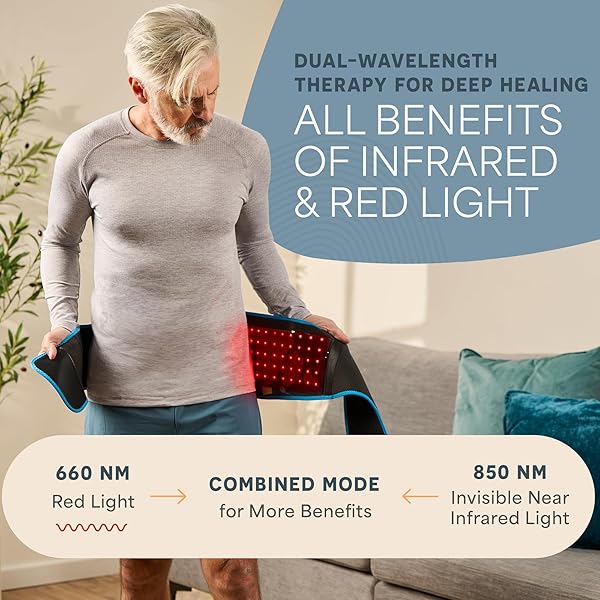
If I had to draw a quick map of who gets the most out of this red light therapy belt, it starts with desk people. You know the type—tight lower back, hip flexors that feel like guitar strings, shoulders creeping toward the ears by 3 p.m. I’ve wrapped the belt while answering emails and the combo of 660 nm red on the surface and 850 nm near infrared deeper in the tissue takes that dull ache down a notch or two, sometimes more, especially when I use the auto timer at 20 minutes and just… stop moving.
Lifters and runners, you’re squarely in the “best for” camp. I’ve used it on hamstrings after Romanian deadlifts and on calves after hill repeats; recovery was not magical, but it was measurably better. DOMS felt less sticky on day two, which is usually where things go south for me, and that’s when I’ll sneak a second spot later (spaced by a few hours—consistency > marathon sessions).
Adults with on-and-off stiffness, especially around the knees and low back, usually report the quickest wins. The belt’s coverage is localized, so I’ll do 15 minutes lower back, then slide to the SI joint, then finish on glutes. Three spots, done. Not glamorous, but photobiomodulation is more about routine than drama.
Travelers get a surprise value here. Because it runs off wall power, USB (5V–1A), or a compatible external battery, I’ve done sessions in hotel rooms and, once, a very quiet airport lounge. It’s about 1.2 lbs, folds flat, and doesn’t scream “medical device,” which matters if you don’t love attention. Portable red light device energy without the clunky vibe.
Who should skip? If you want full-body heat like a far-infrared sauna, this isn’t it. The belt tops out around 104°F; warmth is soothing, but you won’t sweat buckets, and that’s by design. Also, if you must be fully cordless for long stretches, you’ll get annoyed; it needs to stay plugged in, and though a power bank helps, it’s still a tether of sorts.
And spot fat loss—let me say this gently. NIR can support metabolism and circulation, but it won’t replace a calorie deficit, walking, and protein. If that’s your main goal, you’ll be disappointed and I don’t want that email in three weeks. Use it for targeted relief and recovery first; aesthetic benefits are a side quest, not the main mission.
A few lessons I learned the hard way. Don’t crank sessions past 30 minutes thinking more light equals more results; I tried, it didn’t, and the skin just felt a bit cranky. Keep jewelry off the area so the strap sits flush; I forgot once and it pinched—minor, but annoying. And when half the bulbs look “off,” breathe; near infrared is invisible, so they are on even if you can’t see them. I wish someone told me that earlier.
Value-wise, I think the math checks out if you’ll actually use it 3–5 times a week. You’re paying for proven wavelengths (660/850 nm), a flexible wrap that stays put, and a lifetime warranty that’s not just fine print. I’ve dealt with support and it was, frankly, solid, which matters when gear becomes part of your routine.
So my verdict lands here: credible, portable, easy to integrate, especially for desk backs, runners’ knees, cranky shoulders, and travelers who like tools that just work. It won’t do the job for people craving a sweat lodge or truly cordless life, and I’m okay saying that out loud. Used right, though, it’s one of those small daily habits that stacks up and makes you feel a little more human.
FAQs — Quick Answers Before You Buy

I get these same questions every time I share Lifepro Red Light Therapy Belt reviews, so here’s my plain-English take after living with the device. Short answers first, then how it actually plays out in real use. If I missed something, that’s on me—ask away.
Does it have an auto timer?
Yes, and it matters more than you think. You can set 5 to 30 minutes, and the belt shuts off so you don’t drift into accidental marathons. My early mistake was “just five more minutes,” which turned into 45 and my skin got cranky; the timer cured that habit.
Why do some bulbs look off?
Because near infrared (NIR) 850 nm isn’t visible to the eye. Those LEDs can be fully “on” but look dark, which freaked me out on day one. A quick check of the manual, facepalm, problem solved.
How hot does it get?
It tops out at about 104°F. Think gentle, cozy warmth—not a sweat fest, not a far-infrared sauna. I actually prefer this, because I can use it while working without turning into soup.
How often should I use it?
Sweet spot is 20–30 minutes, 3–5× per week, per area. And please space long sessions by a few hours; recovery is part of photobiomodulation. When I stuck to that cadence, results stacked; when I didn’t, they… didn’t.
Can I use it while walking around?
Yes, it’s a hands-free wrap, but it must stay plugged into power. Around the house I tuck a power bank in a pocket and shuffle carefully; glamorous it ain’t, but it works. If you need totally cordless for long stretches, this belt may bug you.
Power options?
Wall adapter, USB (5V-1A), or a compatible 5V external battery. Do not use 12V USB; that’s a hard no. For travel, I keep a short USB-C to DC cable in the pouch and it’s been zero drama.
Areas of use?
Waist, lower back, shoulders, arms, knees, calves, even feet. Remove jewelry under the strap so light isn’t blocked and the wrap sits flat. For bigger zones, I do two or three placements back-to-back with the timer set to 15.
Cleaning?
Let it cool, unplug, then wipe with a damp cloth. No soaking, no alcohol wipes on the LEDs, and absolutely no washing machine. A quick wipe preserves output and makes the belt not gross—learned that the hard way after a sweaty sprint day.
Safety?
It’s adult use only, keep away from kids and pets, and avoid sitting or standing on the belt. If you’re pregnant, have implants, or a medical condition, talk to a provider first; that’s not fear-mongering, it’s just smart. Also, I skip broken skin and test new placements at lower intensity for a few minutes.
Warranty?
Lifepro offers lifetime customer support, and that’s been more than marketing text in my experience. When I asked a question about the remote, support replied fast and clear. Bonus: it’s often HSA/FSA eligible, which helps the budget conversation.
A few extra tips from trial and error. For skin support, I use 660 nm red on areas that need smoothing; for deep aches, I go NIR 850 nm or the combined mode. If you’re a desk camper like me, set a calendar nudge for 3 p.m.—that’s when my low back starts complaining and a 20-minute session saves the evening.
Worried about coverage size? I treat the belt like a flashlight: targeted, moved with intention. Fifteen minutes lumbar, shift to SI joint, then glutes—done in under an hour with breaks. It’s not heroic, but consistent beats heroic every time.
Conclusion
If you’ve been hunting for a simple, stick-with-it recovery tool, this belt checks a lot of boxes. The dual wavelengths—660 nm red for surface support and 850 nm near-infrared for deeper tissue—deliver targeted relief for stubborn lower backs, knees, and shoulders while also boosting circulation and post-workout recovery. Add the hands-free wrap, 5–30 minute auto timer, USB/wall power options, and you’ve got a portable routine you’ll actually use. In most Lifepro Red Light Therapy Belt reviews, buyers also call out the gentle warmth, easy setup, lifetime support, and HSA/FSA eligibility—small things that make a big difference over months, not days.
If you’re ready to feel a little better after long desk hours or heavy training, take the next tiny step. Try consistent sessions (20–30 minutes, a few times per week) and let the results stack. Don’t overthink it—start, track how you feel, adjust.
Ready to give it a go?
👉 Get the Lifepro Red Light Therapy Belt—see today’s price and availability
Read more:
- Lifepro BioRemedy Plus Infrared Sauna Blanket Reviews: Is It Worth It for At-Home Detox, Recovery & Relaxation?
- Lifepro Red Light Therapy for Body Wrap Reviews: Is the AllevaBody Mat Worth It?
- LifePro RejuvaWrap Far Infrared Sauna Blanket Reviews: Is It Worth the Hype in 2025?
- Sweat it Out: The Complete Mihigh Infrared Sauna Blanket Review
- Experience the Glow: My Honest Review of the HigherDose Infrared PEMF Go Mat
- HigherDose Infrared PEMF Pro Mat Reviews: Is It Worth the Hype for Recovery & Relaxation?
Leave a Reply