How long can a propane tank last when used on a patio heater?
Contents
Many patio heaters generate about 40,000 BTUs every hour. This means that a 20-lb propane tank can give more than 10 hours of heat when the highest setting is used.
How can I manually light my patio heater?
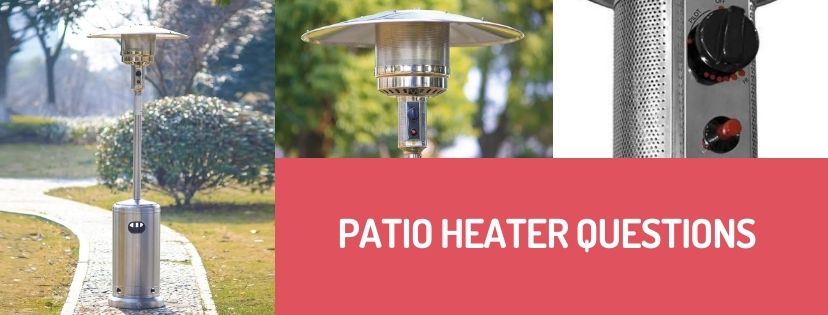
The first thing you have to do to light a patio heater manually is to twist the control knob to the pilot position. Therefore, you have to twist it counterclockwise at about 45 degrees. You can refer to the instruction manual of your patio heater in case you encounter any trouble.
After moving the knob to the pilot position, this is the time you light your patio heater. You can do this using any lighter you have on hand. The safest to use is a candle lighter because you prevent burning your fingers. You should see a match lighting opening and then insert the candle lighter there. Your patio heater should begin to warm up once the candle lighter is inside the opening.
Using the control knob, you can now set how intense the heat will be coming from your patio heater. You can twist the knob on the highest or middle setting, depending on the amount of heat you want.
How can I clean a pilot tube on my patio heater?
You can use steel wool or any sponge with abrasive to rub the thermocouple gently. You rub until you remove the soot from the thermocouple. Using a pencil eraser, you can clean between the threads of the thermocouple attaching screw and attach it again to the pilot tube after you finish cleaning.
How does an IR (infrared) patio heater operate?
Many people opt for electric infrared patio heaters because they are a great substitute for gas heaters. IR patio heaters use an infrared bulb to generate heat using the glow inside the bulb. Because this kind of heater does not affect the air, the wind does not affect it. They are also more affordable compared to gas heaters in terms of how they operate.
What is the cost of operating a gas patio heater?
An outdoor gas patio heater that works on liquid propane can have an average cost of $1.60 every hour to operate. The basis for this is a 50,000 BTU rating. It is also based on how an outdoor gas heater operates and the average price to fill a propane cylinder. The cost is around $16 to load a regular 20-lb cylinder. When used in an outdoor gas heater, a regular 20-lb propane cylinder can last for around 10 hours.
Natural patio heaters are less inexpensive to operate than propane patio heaters because there are no direct fuel expenses. An outdoor gas patio heater that works on natural gas can have an average cost of $.476 every hour to operate.
Should I get a gas or electric patio heater?
There are no indoor or outdoor heaters that are 100% environmentally friendly and safe. The electricity that goes around your home can affect the environment in some way. Nevertheless, when it comes to a better patio heater option, it is an electric patio heater. That is because it is more affordable, efficient, and user-friendly. It is also more environmentally friendly because it generates less COs emission compared to gas patio heaters.
Do patio heaters consume a lot of electricity?
For electric patio heaters, they can consume a lot of fuel when they are left running. The heat loss from using fuel is the difference in temperature between the area you are trying to warm up and outdoors. Therefore, there is too much use of fuel from your electric patio heater because it has to keep up with the continuous loss of heat, making them more costly.
Is it okay to use my patio heater when it is windy?
It is highly recommended not to use a patio heater if the wind goes over 10 miles every hour. That is because open patio heaters can be taken away when there are high winds. Moreover, they perform less when used on windy days.
Is it okay to leave my patio out in the rain or snow?
Even though patio heaters are meant to be used outdoors, leaving them open to different elements such as rain or snow can quickly deteriorate the parts and the finish in the long run.
Can I place my patio heater under a gazebo?
It is safe to place your patio heater under a gazebo and other identical structures such as a canopy. Nevertheless, you have to keep in mind to place it away from ceilings and walls to be safe. That is why a free-standing heater is a better option.
Is it okay to use my gas patio heater inside?
Natural gas and propane patio heaters are only meant to be used outdoors. Suppose there is enough clearance given between people, animals, or flammable items and the heater. In that case, electric patio heaters can be used indoors.
What are the types of gas patio heaters available?
Outdoor gas patio heaters are units that utilize liquid propane and natural gas to provide heat outdoors. Gas patio heaters are units that utilize liquid propane. These are available in various units such as tabletop, standing, portable, wall and ceiling mount, and hanging. Gas patio heaters that utilize natural gas are available in hanging walls, ceilings, and standing units.
Is it okay if I leave my gas patio heater in the rain?
You might be under the impression that gas patio heaters can withstand different weather conditions since they are outdoor products. Nevertheless, leaving them out in the run can damage their functioning parts and coating.
How are natural gas and propane patio heaters different from each other?
A natural gas patio heater needs to connect to a gas line. You can use them continuously without the need to refill fuel cylinders. However, you cannot easily transport them. On the other hand, a propane gas patio heater easily connects to a regular 20-lb liquid propane cylinder to operate. Once this cylinder becomes empty, you need to replace it. Unlike natural gas patio heaters, propane patio heaters are easy to move and carry.

Leave a Reply